Principles of Engineering Management

After completing my second year of being a manager, I thought I would write up some of the things I’ve learned about Management. Consider this to be my personal guiding principles for management.

Engineering Management
After completing my second year of being a manager, I thought I would write up some of the things I’ve learned about Management. Consider this to be my personal guiding principles for management.
I use this handy mental guide to figure out whether or not it makes sense to jump onto the new hot JavaScript framework.
One of the first questions that I ask when interviewing someone is “What’s something interesting that you have built or made?” It’s surprising how many engineering graduates do not have anything to show. I always wonder why. The first time I saw a line of code was during a C++ course that every freshman engineering student has […]
There’s a lot of back-and-forth between developers on whether one should focus on developing web apps, or native apps when it comes to mobile platforms. I’ve done a bunch of thinking on this, and having developed both types of apps, I wanted to share my point-of-view. I’m mostly going to be referring to iOS and […]
If you’re optimizing your website for IE10 on tablets, get ready to deal with -ms-touch-action. This is a new CSS property introduced by Microsoft in IE10. Essentially, it determines what default browser behaviors to enable in touch mode. When I say default behavior, I mean things like: Making the whole page do the “elastic-bounce” when […]
I recently moved some of my private repos to Bitbucket from Github. This is something I should have done a while ago. To me, whether to use Github vs. Bitbucket boils down to two questions that you must ask yourself when you start a new project: Will this be open-source? Do I expect there to […]
The product may yet succeed, but I’m not holding my breath. One of the comments that I found to be insightful (from Ronmovies): I generally use iChat and Skype for chatting, but I was curious and checked out Airtime. The first thing that greeted me was a Log In with Facebook form that warned that […]
Here’s a great comment by @eranation. I call it the crazy world of code: I agree, I can’t keep up. I just finished learning backbone.js and now I’m found out on that it’s old news, and I should use ember.js, cross that, it has opinions, I should use Meteor, no, AngularJS, no, Tower.js (on node.js), […]
Software developers around the world are weeping tonight because AWS is down. This means Heroku is down, and that means a whole bunch of other sites are experiencing some serious outage. To be honest, this is upsetting but it happens. Guess which site is not down though? Good ol’ tilomitra.com, running on old-school shared hosting […]
My article “10 things I learned while interning at YUI” just got published over at Nettuts. Check it out! I’m a big admirer of Nettuts and Envato – they do a great job educating new designers, developers and entrepreneurs.
Story of my programming life!
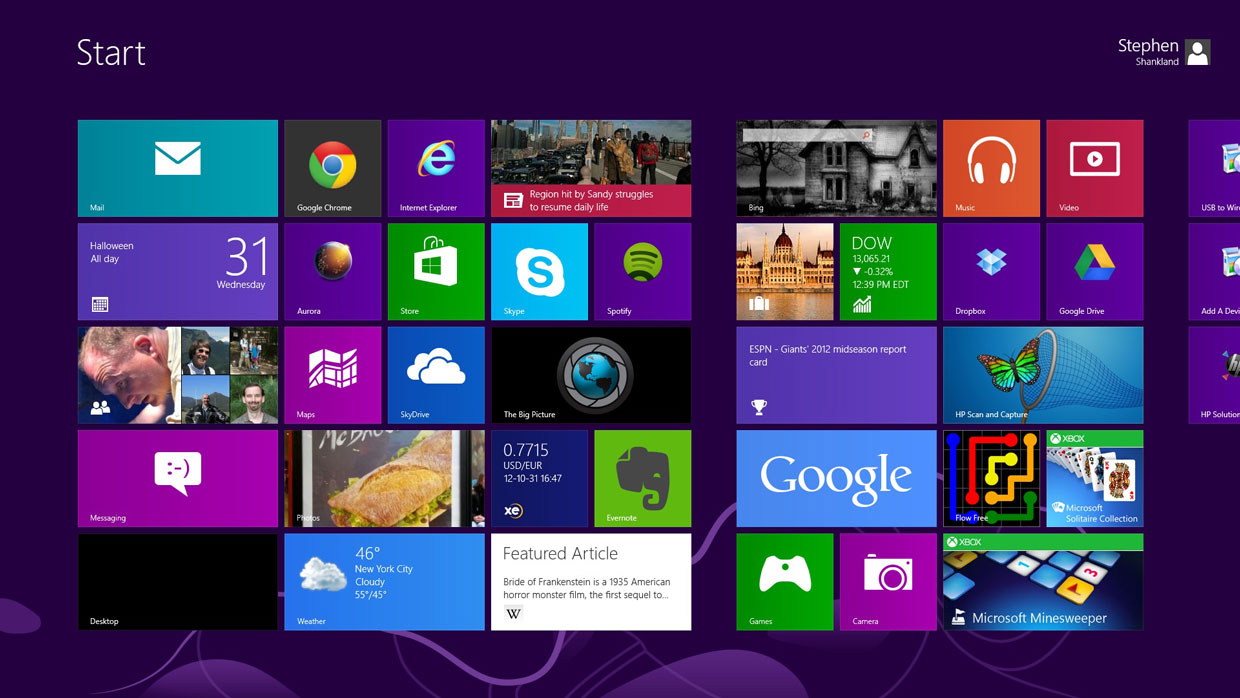
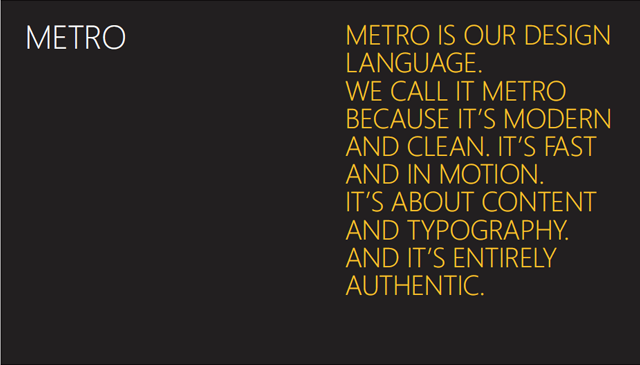
Completely agree with Microsoft on this one. I am starting to prefer WP7’s UI over parts of the iOS user interface, and it is vastly superior to Android in terms of design and user experience. I think it’s time Apple made some adjustments to the iPhone interface because it’s starting to look a little dated […]
Figured I would give a quick update as to how TopForty.it been doing. We’re about 2 weeks in, and the response has been great. People seem to love the idea, the execution and the UI/UX, which is heartwarming although I still think it’s rough around the edges (won’t tell you where because then you will […]
I recently built and released www.adore.ly with two friends. I learned a lot in the process. It may help you.
Engadget just posted their review of Twitter for iPad (which btw, was released a few hours ago), and the video review really highlights some of the thought that the Twitter development team have put into the interface. It also emphasizes my belief that no matter how great an app is, the average person (ie: non-techie) […]